Solutions
Three system categories, one structure.
On every project we define the process first, then choose the technology to fit the bottleneck that actually needs solving. These three headings are the whole of what the studio does, and they are built connected.

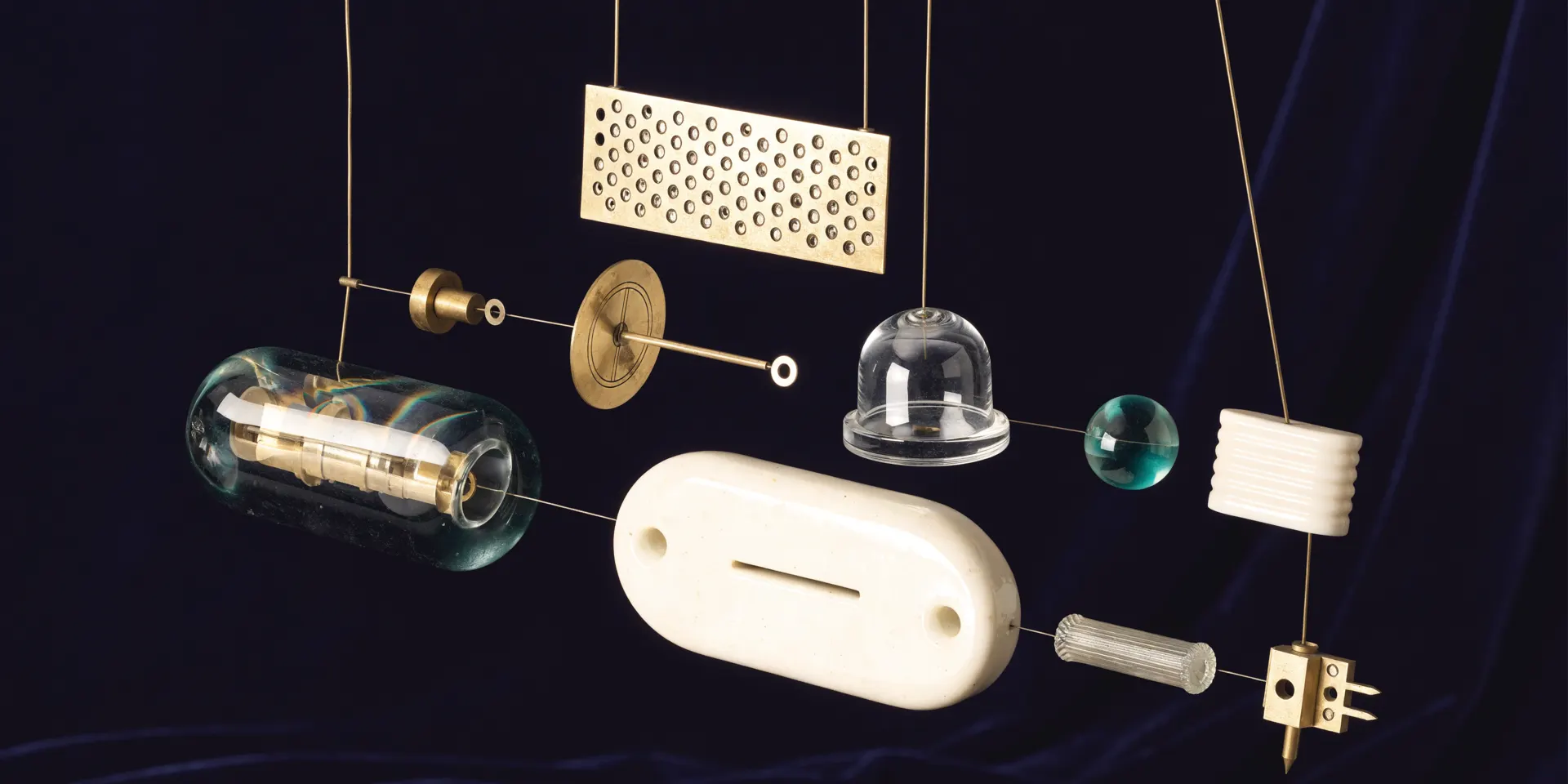
Taken apart
We build every system by taking it apart first.
Before automating a process, we make every step that makes it up visible on its own. What stays manual and what the system takes over is clear from the start.
01
Lead Systems
Every enquiry reaches the right flow.
One flow from the website through to the CRM: however an enquiry arrives it gets captured, answered, followed up and measured. Nothing sits unanswered in somebody's inbox.

THE INTAKE
FIG. 01
What we build
Conversion-focused site and forms
A website, landing pages and form flows built to capture the enquiry on first contact.
CRM and centralised records
Every enquiry lands in one record structure; nothing gets lost across channels.
Automated follow-up and booking
Acknowledgement and reminders run on their own; booking needs no manual chasing.
Routing and reporting
Enquiries are prioritised to the right person; conversion is measured by channel.
Boundary
We do not sell for you. The system answers, qualifies and hands the enquiry over ready; the conversation itself stays with your team.
02
AI Front Desk
Answer every enquiry, on every channel, immediately.
A front desk that speaks on the phone and on your website and knows your business. It answers questions, qualifies the enquiry, takes contact details, books the appointment, and hands over to a person the moment judgement is needed.

THE SIGNAL
FIG. 02
What we build
Voice and chat reception
A front desk that knows your business — on the phone, your website and WhatsApp.
Information capture and qualification
Answers questions, takes contact details and qualifies the enquiry by priority.
Calendar and booking integration
Reads availability and writes the appointment straight to the calendar.
Rules-based human handoff
Hands the conversation to a person wherever judgement or scope requires it.
Boundary
The agent speaks only inside written rules and a business knowledge base. It does not commit to a price, and it does not invent an answer to a question outside its scope — where it does not know, it hands the conversation to a person.
03
Operations Systems
Repeatable work runs on the system, not by hand.
The work that starts once the enquiry is in. Integration between the tools you already run, internal dashboards, approval flows, and software built from scratch where nothing off the shelf fits.

THE FRAMEWORK
FIG. 03
What we build
Workflow and approval automation
Repeating steps and approval chains are handed to software.
System and data integration
The tools you already run talk to each other; nothing moves by hand.
Internal operations dashboards
The screens your team actually runs the day on.
Custom portals and reporting
Software built where nothing off the shelf fits; operations reported back.
Boundary
Automation covers work whose rules can be written down. Steps requiring judgement are not automated; the system flags them and routes them to the person responsible.
What we do
We build a system from start to finish.
The eight disciplines below aren't services bought separately. They are the work itself — the sequence that takes a system from first sketch to something running.
Process analysis
We map how the work runs today, step by step: where enquiries arrive, who does what by hand, and which step people wait on.
Workflow automation
We hand the repeating steps to software, so work scattered across WhatsApp, email and spreadsheets runs as one flow.
Product strategy
We decide what gets built and what stays out of scope: scope, priority order and the boundary of the first release.
UX/UI design
We build the screens around the people who use them: flow, interface, legibility and everyday use.
Frontend and backend development
We write the interface, the server side and the database ourselves. The same team carries it from design to launch.
Integration
We connect the systems you already use: calendar, email, spreadsheets, payments and internal software.
Launch and rollout
We open the system to real use under control: domain, server, monitoring and support through the first days.
Handover and support
The code, the accounts and the documentation stay in your name. We hand over to your team, and support afterwards if you want it.
Fit
Where does this work pay back most?
Teams whose request volume has outgrown one person
Once enquiries can no longer be held in a single coordinator's memory, systematising them pays back immediately.
Organisations with more than one site or team
Hand-offs and reporting between sites are the first things to break when they are run by hand.
Companies with an established customer base
Turning an existing relationship into consistent follow-up costs less than chasing new enquiries.
Organisations receiving international enquiries
With multilingual communication infrastructure in place, response time and consistency become measurable.
Operations that off-the-shelf software doesn't fit
If your process doesn't fit the package, it is usually better to build the product than to bend the process.
Getting started
Tell us what costs you the most time.
Describe the work that repeats, runs late or scatters between tools. In the first call we'll establish what suits automation and where it makes sense to start.
After you send the form
- A reply within two working daysWe read your message and suggest a time that suits you.
- A 30–45 minute discovery callA working session that maps the process, not a sales pitch. If it isn't a fit, we'll say so plainly.
- A written summaryAfterwards we put in writing what could be built, in what order, and within what scope.